For anyone living with eczema, finding relief often feels like chasing the horizon – you try countless creams, prescriptions, and “miracle” lotions, yet the itching, redness, and flaking seem to always return. But what if the answer has been hiding in plain sight – in your spice cabinet?
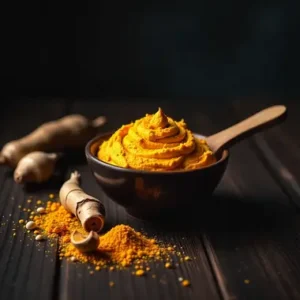
Enter turmeric, the vibrant golden spice long celebrated in traditional Ayurvedic and Chinese medicine. Beyond flavoring curries, turmeric’s star compound, curcumin, has been extensively studied for its anti-inflammatory, antioxidant, and antimicrobial properties.
When turned into a topical balm, turmeric can do far more than brighten your dishes – it can soothe, repair, and protect eczema-prone skin, offering a natural path to lasting comfort and healing.
Let’s explore what makes turmeric balm such a powerful ally for eczema, what the science says, and how you can safely use it to restore balance to your skin.
🌿 Understanding Eczema and Why It Needs Gentle Care
Eczema, or atopic dermatitis, is more than just dry skin. It’s a chronic inflammatory condition marked by flare-ups of red, itchy, cracked, and sometimes oozing skin.
At the root of eczema lies a compromised skin barrier – the protective outer layer that keeps moisture in and irritants out. When this barrier is weakened, the skin loses hydration quickly and becomes more susceptible to allergens, microbes, and inflammation.
Because of this, the best treatments are those that:
- Soothe inflammation and itching
- Rebuild the skin barrier
- Hydrate deeply and protect
Turmeric balm checks all three boxes – and then some.
🌼 Turmeric: The Golden Healer
Turmeric (Curcuma longa) has been used for over 4,000 years in traditional medicine for healing wounds, soothing skin disorders, and reducing inflammation. Modern science has only deepened the appreciation for this golden root.
🔬 The Science Behind Turmeric’s Power
The active compound curcumin is what gives turmeric its striking color – and its healing potential. Curcumin possesses potent anti-inflammatory, antioxidant, and antimicrobial properties that make it ideal for managing eczema.
Here’s how it works on a cellular level:
- Reduces inflammation: Curcumin inhibits inflammatory enzymes like COX-2 and cytokines (TNF-α, IL-1), both of which play major roles in eczema flare-ups.
- Neutralizes free radicals: Its antioxidant properties help counter oxidative stress – a common trigger for skin inflammation.
- Supports wound healing: Studies show curcumin enhances collagen synthesis and promotes new tissue growth.
- Fights microbes: It helps combat Staphylococcus aureus, a bacteria commonly found on eczema-prone skin that worsens irritation.
In fact, a 2018 review in Phytotherapy Research found that both oral and topical curcumin improved skin barrier function and reduced eczema symptoms, making it one of the most promising natural anti-inflammatories available.
💛 Why a Turmeric Balm Works So Well for Eczema
While turmeric on its own is powerful, formulating it into a balm makes it especially effective for eczema.
Balms are oil-based, meaning they form a protective, moisturizing layer over the skin. This not only locks in hydration but also allows the turmeric’s active compounds to penetrate deeply and stay in contact with the skin longer.
🌿 The Benefits of Turmeric Balm for Eczema:
- Calms Itching and Inflammation
The first relief many notice is a reduction in itching. Turmeric balm helps quiet the inflammatory response, easing redness and irritation while promoting a soothing, cooling sensation. - Supports Healing of Cracked or Broken Skin
Curcumin encourages faster wound closure and collagen production, which can help repair damaged skin and prevent scarring. - Protects Against Infection
Turmeric’s antibacterial and antifungal properties defend against microbes like Staphylococcus aureus – a common eczema trigger. - Strengthens the Skin Barrier
When mixed with moisturizing oils like coconut, shea butter, or beeswax, turmeric balm nourishes the skin’s lipid layer, helping restore barrier integrity and prevent moisture loss. - Reduces Hyperpigmentation and Scarring
Over time, eczema can leave behind dark patches or uneven tone. Turmeric’s brightening properties can help fade these marks naturally, promoting a more even complexion.
🧴 How to Make a Turmeric Balm at Home
Creating a gentle, all-natural turmeric balm at home is simple and cost-effective – and it ensures you’re avoiding harsh additives or synthetic fragrances that can irritate eczema-prone skin.
✨ Ingredients:
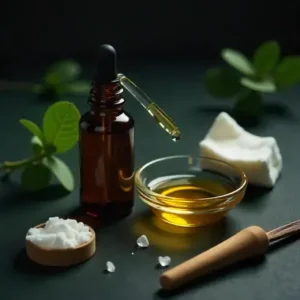
- 2 tablespoons organic coconut oil (deeply moisturizing and antimicrobial)
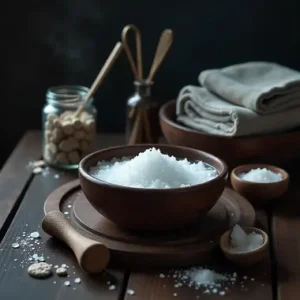
- 1 tablespoon shea butter or beeswax (for barrier protection)
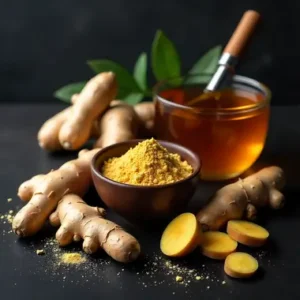
- 1 teaspoon turmeric powder (preferably organic and food-grade)
- Optional: 1-2 drops vitamin E oil (for extra antioxidant protection)
🧡 Instructions:
- Melt the coconut oil and shea butter (or beeswax) in a heat-safe bowl over low heat.
- Once melted, stir in the turmeric powder until evenly mixed.
- Remove from heat and add vitamin E oil if desired.
- Pour the mixture into a clean glass jar or tin and let it cool until solid.
Store in a cool, dark place – or in the refrigerator for a refreshing, cooling effect when applied.
🌸 How to Use Turmeric Balm for Eczema
- Cleanse Gently: Wash affected areas with lukewarm water and a mild, fragrance-free cleanser.
- Apply a Thin Layer: Using clean hands, gently massage the balm into dry or itchy patches.
- Let It Absorb: Leave it on to allow the skin to soak up the nourishment.
- Use Regularly: Apply 1-2 times daily – morning and night – or whenever flare-ups occur.
You can also apply a thicker layer before bed as an overnight treatment. Cover with breathable cotton clothing or gloves to avoid staining sheets (since turmeric’s color can transfer slightly).
⚠️ Safety Tips and Precautions
While turmeric is generally safe for topical use, a few precautions can help you avoid unwanted reactions:
- Patch test first: Apply a small amount to your inner arm to check for sensitivity or staining.
- Avoid synthetic turmeric creams: Some store-bought versions contain dyes or perfumes that can irritate eczema.
- Be cautious with open wounds: Turmeric can sting if applied to raw or bleeding skin.
- Staining warning: Turmeric may leave a light yellow tint that fades after washing – but this is temporary and harmless.
If irritation occurs or your eczema worsens, discontinue use and consult a dermatologist.
🔬 What the Research Says About Turmeric and Skin Health
Science continues to validate what traditional medicine has known for centuries: turmeric is a natural anti-inflammatory powerhouse.
- A 2016 clinical trial published in the Journal of Clinical and Aesthetic Dermatology found that a turmeric-based cream significantly improved eczema symptoms, including itching, scaling, and redness, after just four weeks of use.
- A 2021 study in Frontiers in Pharmacology noted that curcumin supports skin barrier function and reduces oxidative stress, both crucial for managing eczema and chronic inflammation.
- Another review in BioMed Research International (2019) highlighted curcumin’s antimicrobial properties and ability to inhibit pro-inflammatory cytokines – the molecules responsible for eczema flare-ups.
Together, these findings underscore turmeric’s potential not as a replacement for medical treatments, but as a safe, effective, and supportive natural therapy.
🌿 Complementary Ingredients That Boost Turmeric’s Effect
While turmeric is the star, pairing it with other natural ingredients can enhance its benefits:
- Aloe Vera: Adds hydration and a cooling sensation, reducing redness.
- Coconut Oil: Seals in moisture and adds antimicrobial protection.
- Manuka Honey: Offers wound-healing and antibacterial properties.
- Oatmeal Extract: Soothes itching and strengthens the skin barrier.
Blending these together in small, balanced amounts can create a comprehensive eczema-soothing treatment.
🌞 Consistency is Key
Like all natural remedies, turmeric balm works best when used consistently. You may notice mild relief within days, but visible improvements – less redness, smoother texture, fewer flare-ups – often become clear after 2-4 weeks of regular use.
The key is patience. Unlike synthetic steroids that offer quick but temporary relief, turmeric balm supports deep, long-term healing that strengthens the skin from within.
🌼 Final Thoughts: A Golden Touch for Sensitive Skin
Eczema can make you feel powerless at times – but nature’s pharmacy has always offered gentle, effective answers.
A turmeric balm brings together ancient wisdom and modern science, offering a natural, soothing, and skin-nourishing approach to eczema care. With its remarkable anti-inflammatory and healing properties, this golden remedy can help calm flare-ups, restore moisture, and bring comfort back to even the most sensitive skin.
So the next time eczema strikes, skip the synthetic creams. Reach for a jar of nature’s gold – and let your skin rediscover what balance feels like.