A happy stomach is the foundation of overall wellness. Digestive discomfort – bloating, gas, or irregular bowel movements, can affect energy, mood, and even immunity. Fortunately, the foods you choose can play a major role in supporting gut health. Certain ingredients not only soothe the digestive tract but also promote healthy gut bacteria, reduce inflammation, and improve nutrient absorption. Here’s a detailed guide to 10 foods and ingredients that keep your stomach happy, all backed by science and easy to include in your daily diet.
1. Yogurt
Why it works: Yogurt is rich in probiotics, which are beneficial bacteria that help maintain a healthy balance in your gut microbiome. These bacteria aid digestion, enhance immune function, and can reduce symptoms of bloating and constipation.
How to include it:
- Enjoy plain Greek yogurt with a drizzle of honey and fresh berries for breakfast.
- Use yogurt as a base for creamy salad dressings or dips.
Tip: Look for yogurts labeled “live and active cultures” for maximum probiotic benefits.
2. Ginger
Why it works: Ginger has long been used as a natural remedy for digestive discomfort. It contains compounds like gingerol and shogaol, which have anti-inflammatory and antioxidant properties. Studies show ginger can help relieve nausea, reduce bloating, and even stimulate digestive enzymes.
How to include it:
- Brew fresh ginger tea in the morning or after meals.
- Add grated ginger to stir-fries, smoothies, or salad dressings.
3. Oats
Why it works: Oats are high in soluble fiber, particularly beta-glucan, which forms a gel-like substance in the gut. This helps regulate bowel movements, feed healthy gut bacteria, and reduce cholesterol. The fiber in oats can also keep you full longer, preventing overeating.
How to include it:
- Enjoy overnight oats with chia seeds and fruit.
- Use oats in homemade muffins or granola.
4. Bananas
Why it works: Bananas are gentle on the stomach and a great source of prebiotics, which nourish the good bacteria in your gut. They also contain pectin, a type of soluble fiber that can normalize bowel movements and soothe irritation.
How to include it:
- Eat a banana on its own as a snack.
- Blend into smoothies or add to oatmeal for natural sweetness.
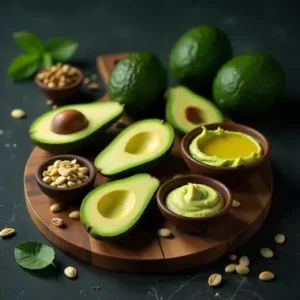
5. Avocado
Why it works: Avocado is packed with healthy monounsaturated fats and fiber, both of which support digestion. Its fiber content helps maintain regular bowel movements, while the anti-inflammatory properties can calm an irritated gut lining.
How to include it:
- Spread on whole-grain toast for a quick breakfast.
- Add diced avocado to salads or grain bowls.
6. Peppermint
Why it works: Peppermint contains menthol, which can relax the muscles of the gastrointestinal tract. This makes it especially helpful for relieving bloating, gas, and symptoms of irritable bowel syndrome (IBS).
How to include it:
- Drink peppermint tea after meals.
- Use fresh peppermint leaves in smoothies or water infusions.
7. Chia Seeds
Why it works: Chia seeds are a powerhouse of fiber and omega-3 fatty acids. When mixed with liquid, they form a gel-like texture that can aid in smooth digestion and prevent constipation. The fiber also feeds beneficial gut bacteria.
How to include it:
- Make chia pudding with almond milk and fruit.
- Sprinkle chia seeds on yogurt, oatmeal, or salads.
8. Papaya
Why it works: Papaya contains the digestive enzyme papain, which helps break down proteins and promotes smoother digestion. It also has anti-inflammatory properties and is rich in fiber, making it gentle on the stomach.
How to include it:
- Enjoy fresh papaya slices as a snack.
- Add papaya to smoothies or fruit salads for natural sweetness.
9. Bone Broth
Why it works: Bone broth is rich in amino acids like glycine and glutamine, which help maintain the integrity of the gut lining. A strong gut lining can prevent inflammation and discomfort. Bone broth is also soothing and easy to digest, making it ideal for sensitive stomachs.
How to include it:
- Drink a cup of warm bone broth in the morning or as an afternoon snack.
- Use it as a base for soups and stews.
10. Green Tea
Why it works: Green tea is loaded with polyphenols and antioxidants that support gut health by reducing inflammation and promoting the growth of beneficial bacteria. Additionally, the catechins in green tea may help prevent digestive infections and improve overall gut function.
How to include it:
- Brew a cup in the morning for a gentle caffeine boost.
- Enjoy green tea alongside a light breakfast or mid-morning snack.
Bonus Tips for a Happy Stomach
- Stay Hydrated: Water aids digestion and prevents constipation. Aim for 6-8 glasses per day.
- Eat Mindfully: Chew food thoroughly and eat slowly to reduce bloating.
- Balance Fiber Intake: Gradually increase fiber to avoid gas and discomfort.
- Limit Processed Foods: Highly processed foods can irritate the gut and disrupt microbiota.
The Takeaway
A happy stomach doesn’t just happen, it’s the result of consistent, mindful food choices. Incorporating ingredients like yogurt, ginger, oats, bananas, avocado, peppermint, chia seeds, papaya, bone broth, and green tea into your daily diet can significantly improve digestion, reduce discomfort, and promote a thriving gut microbiome.
By focusing on whole, nutrient-dense foods and being mindful of your eating habits, you can not only enjoy better digestion but also experience improved energy, mood, and overall well-being. After all, a happy stomach is the first step toward a healthy life.