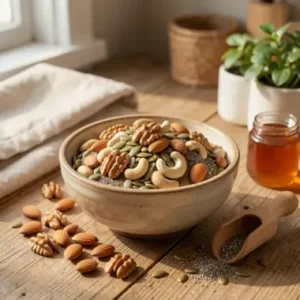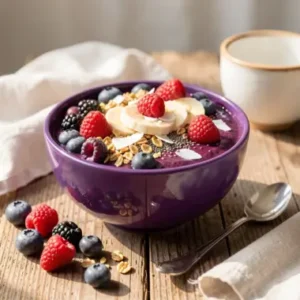
When you think of a “superfood,” your mind might go to exotic berries or expensive powders with complicated names. But one of the most powerful nutritional treasures is much more humble – the chia seed. These tiny black or white seeds have been a staple for centuries, valued by ancient civilizations for their ability to sustain energy and support overall health. Today, modern science is catching up, revealing just how beneficial chia seeds truly are.
Whether you’re looking to improve your heart health, boost digestion, or support weight management, chia seeds are a small but mighty addition to your diet. Let’s explore their benefits in depth – and why you might want to keep a jar in your pantry.
1. A Dense Source of Nutrients in a Small Package
One tablespoon of chia seeds might not look like much, but it packs an impressive nutritional punch. These seeds are:
- Rich in fiber – just two tablespoons provide around 10 grams, which is about one-third of your daily fiber needs.
- Loaded with omega-3 fatty acids – particularly alpha-linolenic acid (ALA), a plant-based fat linked to heart and brain health.
- Full of protein and essential amino acids – making them a great option for vegetarians and vegans.
- High in minerals – such as calcium, magnesium, phosphorus, and manganese, which are crucial for bone strength and energy production.
The best part? They’re naturally gluten-free and very easy to incorporate into almost any diet.
2. Promoting Digestive Health Through Fiber
If your digestive system could vote for its favorite food, it would probably choose chia seeds. Their unusually high fiber content – both soluble and insoluble – provides several digestive benefits:
- Regularity and gut health: The fiber helps keep things moving smoothly, reducing constipation and supporting a healthy microbiome.
- Satiety and weight management: Soluble fiber absorbs water and expands in your stomach, helping you feel fuller for longer without adding many calories.
- Blood sugar support: By slowing the absorption of carbohydrates, chia fiber can help prevent sharp spikes in blood glucose, which is especially helpful for people managing insulin resistance.
When soaked in liquid, chia seeds form a gel-like consistency. This “chia gel” not only makes them versatile in recipes but also contributes to these digestive benefits.
3. Heart Health and Omega-3 Support
Most people associate omega-3 fats with fish oil, but chia seeds are an excellent plant-based alternative. Alpha-linolenic acid (ALA), found abundantly in chia, is linked to reduced inflammation and improved cardiovascular health. Some research suggests that incorporating chia into your diet may help:
- Lower LDL (“bad”) cholesterol
- Increase HDL (“good”) cholesterol
- Reduce blood pressure levels in people with mild hypertension
- Improve arterial function
While ALA is not as potent as the omega-3s found in fish (EPA and DHA), regular consumption of chia seeds is still a valuable step toward better heart health, especially for those on vegetarian or vegan diets.
4. Supporting Bone Strength and Energy Levels
Calcium is often associated with dairy products, but chia seeds are a surprisingly rich source. Gram for gram, they provide more calcium than most dairy products. Alongside magnesium and phosphorus, these minerals play a crucial role in maintaining strong bones, muscle function, and sustained energy production.
For people who are lactose-intolerant or prefer plant-based diets, chia seeds are an easy way to meet mineral needs naturally without supplements.
5. Antioxidant Power for Healthy Aging
Chia seeds aren’t just a source of fiber and healthy fats – they’re also loaded with antioxidants. These compounds help combat oxidative stress caused by free radicals in the body. Oxidative stress is linked to accelerated aging and chronic diseases, including cancer and cardiovascular disease.
By protecting cells from damage, antioxidants in chia seeds support overall longevity and skin health. Some studies even suggest they may help reduce inflammation, which can manifest in everything from stiff joints to dull-looking skin.
6. A Plant-Based Protein Source for Everyone
While chia seeds aren’t a “complete protein” on their own, they contain a variety of essential amino acids and can complement other plant proteins in a balanced diet. For athletes, fitness enthusiasts, or anyone simply looking to maintain muscle mass, adding chia to smoothies, oats, or yogurt is an effortless way to bump up protein intake.
Combined with their high fiber content, this makes chia seeds a uniquely satisfying food that helps balance blood sugar and curb unnecessary snacking.
7. Weight Management Without Strict Dieting
Weight loss isn’t magic – it’s about sustainable habits. Chia seeds can support this by helping regulate appetite and providing steady energy. Because they absorb up to 10-12 times their weight in liquid, they create a natural gel that slows digestion and promotes fullness.
When paired with balanced meals, this can lead to fewer cravings and more consistent energy levels, helping you avoid that mid-afternoon crash that often leads to reaching for sugary snacks.
8. Easy Ways to Incorporate Chia Seeds Into Your Diet
The versatility of chia seeds might be one of their biggest advantages. You don’t need to overhaul your diet – just add a tablespoon or two to meals or snacks:
- Chia pudding: Soak them overnight in milk or a plant-based alternative for a creamy, fiber-rich breakfast.
- Smoothies: Add a spoonful to any smoothie for a thicker texture and extra nutrients.
- Baking: Incorporate into muffins, bread, or pancakes for a nutrition boost.
- Salads and yogurt: Sprinkle chia seeds directly on top for a satisfying crunch.
- Egg substitute: Mix with water to create a plant-based “chia egg” for vegan baking.
No cooking is required, and because chia seeds have a mild flavor, they blend well with both sweet and savory dishes.
A Few Things to Keep in Mind
While chia seeds are safe for most people, it’s best to start small – about one tablespoon a day – and increase gradually to avoid digestive discomfort. Also, always drink plenty of water when consuming them, since their high fiber content can otherwise feel heavy on the stomach.
If you have low blood pressure or are on blood-thinning medications, check with your doctor before dramatically increasing your intake, since omega-3s can enhance these effects.
The Bottom Line: Small Seeds, Big Results
Chia seeds are a nutritional powerhouse hiding in plain sight. They’re inexpensive, shelf-stable, and easy to add to nearly any dish. By providing fiber, plant-based omega-3 fats, protein, antioxidants, and key minerals, these tiny seeds support digestion, heart health, weight balance, bone strength, and even healthy aging.
Sometimes, the simplest additions to your diet can make the biggest difference. A spoonful of chia seeds every day won’t transform your health overnight – but over weeks and months, it can contribute to lasting improvements in your energy, wellness, and vitality.