Bananas are among the most widely eaten fruits in the world, and for good reason. They’re affordable, naturally packaged, and delightfully sweet. But beyond being a convenient snack, bananas are also a powerhouse of nutrition and offer numerous health benefits that support everything from energy levels to heart health.
Let’s take a closer look at what makes this everyday fruit such a smart choice for your diet.
1. A Quick and Natural Energy Boost
Bananas are well known as a go-to snack for athletes and anyone on the move. Their balance of carbohydrates, natural sugars, and fiber provides steady energy without the crash associated with refined sweets.
What this means for you: Whether you’re heading to the gym, taking a long hike, or just need an afternoon pick-me-up, a banana offers a quick yet sustained fuel source.
2. Packed With Essential Nutrients
Though often overlooked, bananas contain an impressive variety of vitamins and minerals, including:
- Potassium, essential for heart function, muscle contraction, and blood pressure control.
- Vitamin B6, which supports brain health, metabolism, and hormone regulation.
- Vitamin C, an antioxidant that boosts immunity and helps collagen formation.
- Magnesium, vital for muscle recovery and nerve function.
What this means for you: Adding bananas to your diet helps you meet daily micronutrient needs naturally, without supplements.
3. Supports Heart and Blood Pressure Health
One of the standout benefits of bananas is their high potassium content. Potassium helps maintain the balance of sodium in the body, reducing strain on the cardiovascular system.
Research highlights:
- Higher potassium intake is associated with lower blood pressure.
- Diets rich in potassium may reduce the risk of stroke and heart disease.
What this means for you: Eating a banana daily is an easy, natural way to support heart health over the long term.
4. A Friend to Digestion
Bananas are rich in dietary fiber, which plays an important role in maintaining regular bowel movements and overall digestive comfort. The type of fiber varies depending on ripeness:
- Unripe bananas contain resistant starch, which behaves like a prebiotic – feeding beneficial gut bacteria.
- Ripe bananas contain soluble fiber, which can help soften stools and reduce constipation.
What this means for you: Whether slightly green or fully yellow, bananas help keep your digestive system in balance.
5. Gentle on the Stomach
Bananas are often recommended as part of the BRAT diet (Bananas, Rice, Applesauce, Toast) for people recovering from stomach flu or digestive upset. Their mild flavor, low acidity, and soft texture make them easy to tolerate.
What this means for you: If you’re feeling under the weather or have a sensitive stomach, bananas can provide energy and nutrients without irritation.
6. May Enhance Mood and Mental Well-Being
Bananas contain tryptophan, an amino acid that the body converts into serotonin, a neurotransmitter linked to mood regulation. Additionally, the vitamin B6 found in bananas helps with serotonin production and nervous system health.
What this means for you: While bananas aren’t a replacement for professional care, they can be part of a diet that naturally supports mental clarity and a positive mood.
7. Aid in Exercise Recovery
The combination of carbohydrates and electrolytes in bananas makes them ideal for replenishing energy and minerals lost during exercise. Potassium helps prevent muscle cramps, while magnesium supports recovery.
What this means for you: Eating a banana before or after a workout can help maintain hydration and muscle function.
8. Naturally Low in Calories and Fat
Bananas are nutrient-dense yet relatively low in calories – about 100-120 calories per medium fruit. They’re also naturally cholesterol-free and virtually fat-free, making them a healthy snack option.
What this means for you: If you’re watching your calorie intake or simply want a wholesome treat, bananas satisfy hunger without excess energy.
How to Enjoy Bananas Beyond Just Peeling and Eating
Bananas are one of the most versatile fruits, lending themselves to both sweet and savory recipes:
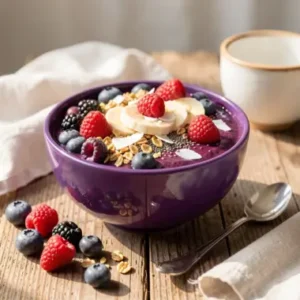
- Smoothies: Blend with yogurt, berries, or greens.
- Baking: Use ripe bananas as a natural sweetener in muffins or banana bread.
- Frozen snacks: Slice and freeze for quick smoothie boosters or chocolate-dipped treats.
- Breakfast: Add to oatmeal, cereal, or peanut butter toast.
- Savory dishes: Try green bananas in curries or stir-fries.
Any Downsides?
For most people, bananas are perfectly healthy, but a few considerations apply:
- People with kidney disease may need to limit potassium intake and should consult a doctor before increasing banana consumption.
- Diabetes management: While bananas are safe in moderation, pairing them with protein or healthy fats (like nuts or yogurt) can prevent rapid blood sugar spikes.
The Bottom Line
Bananas aren’t just a quick snack – they’re a compact bundle of energy, nutrients, and wellness benefits. From heart support and digestion to exercise recovery and mood regulation, this humble fruit proves that healthy eating doesn’t need to be complicated or expensive.
Whether you grab one on the go or incorporate them into recipes, bananas make it easy to nourish your body naturally, every single day.