Inflammation is not the villain we often make it out to be. In fact, it’s a vital biological response – your body’s way of protecting itself from injury and infection. But when inflammation becomes chronic and low-grade, it can quietly contribute to fatigue, joint discomfort, digestive issues, skin concerns, and long-term health conditions such as cardiovascular disease and metabolic disorders.
The good news? What you put on your plate can significantly influence how your body regulates inflammation. And you don’t need exotic powders or expensive superfoods to make a difference. Some of the most powerful anti-inflammatory ingredients are likely already in your kitchen.
In this post, we’ll explore how inflammation works, which everyday foods help calm it, and how to build simple, nourishing anti-inflammatory salads using accessible ingredients – no complicated recipes required.
Understanding Inflammation and Food
Acute inflammation – like swelling after a sprained ankle – is protective and temporary. Chronic inflammation, however, is more subtle. It can result from long-term stress, poor sleep, environmental toxins, highly processed diets, and excess refined sugar.
Research consistently shows that dietary patterns rich in vegetables, fruits, whole grains, healthy fats, herbs, and spices are associated with lower inflammatory markers. The Mediterranean-style eating pattern, for example, emphasizes olive oil, leafy greens, legumes, nuts, and fish – all known for their anti-inflammatory properties.
Salads are one of the easiest and most versatile ways to combine these ingredients into a single, nutrient-dense meal.
Key Anti-Inflammatory Ingredients You Already Have
Before diving into recipes, let’s look at why certain simple ingredients are so effective.
1. Leafy Greens
Spinach, arugula, romaine, and kale are rich in antioxidants such as vitamin C, beta-carotene, and flavonoids. These compounds help neutralize free radicals, reducing oxidative stress that contributes to inflammation.
Dark leafy greens also provide magnesium, a mineral linked to lower levels of inflammatory markers in the body.
2. Olive Oil
Extra virgin olive oil contains oleocanthal, a compound shown to have effects similar to mild nonsteroidal anti-inflammatory drugs (NSAIDs). It also provides heart-healthy monounsaturated fats that support cardiovascular health.
Use it as the base for homemade salad dressings rather than relying on processed bottled options.
3. Tomatoes
Tomatoes are rich in lycopene, a powerful antioxidant associated with reduced inflammation, especially when absorbed with a source of fat like olive oil.
4. Cucumbers
Hydrating and refreshing, cucumbers contain polyphenols and flavonoids that may help counter inflammatory processes. Their high water content also supports hydration, which plays a role in tissue health.
5. Red Onions and Garlic
Both are rich in sulfur compounds and antioxidants. Garlic, in particular, has been studied for its immune-modulating and anti-inflammatory effects.
6. Legumes
Chickpeas, lentils, and beans are high in fiber, which supports gut health. A healthy gut microbiome plays a central role in regulating inflammation throughout the body.
7. Nuts and Seeds
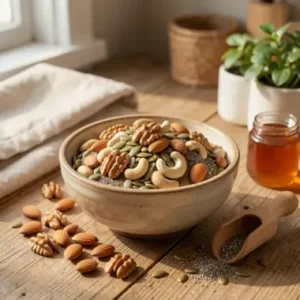
Walnuts, almonds, chia seeds, and flaxseeds provide omega-3 fatty acids and polyphenols. Omega-3s are especially well-known for their anti-inflammatory benefits.
8. Fresh Herbs and Spices
Parsley, cilantro, turmeric, ginger, and basil don’t just add flavor – they add bioactive compounds that help combat oxidative stress.
How to Build an Anti-Inflammatory Salad (The Simple Formula)
You don’t need a strict recipe. Instead, follow this framework:
- Base: Leafy greens or mixed greens
- Color & Crunch: At least 2–3 vegetables
- Protein: Legumes, eggs, grilled chicken, or tofu
- Healthy Fat: Olive oil, avocado, nuts, or seeds
- Flavor Boost: Fresh herbs, garlic, lemon, or spices
Now, let’s bring this formula to life.
1. Mediterranean Chickpea Glow Salad
Why it works: Combines fiber-rich legumes with antioxidant-packed vegetables and olive oil.
Ingredients:
- Mixed greens or spinach
- 1 cup cooked chickpeas
- Cherry tomatoes
- Cucumber slices
- Red onion (thinly sliced)
- Fresh parsley
- Extra virgin olive oil
- Lemon juice
- Pinch of oregano
Benefits:
Chickpeas provide plant protein and fiber that support blood sugar stability and gut health. Tomatoes and olive oil work synergistically to enhance lycopene absorption. Lemon juice adds vitamin C, further supporting antioxidant defense.
2. Spinach, Walnut & Berry Balance Bowl
Why it works: Combines leafy greens, omega-3 fats, and polyphenol-rich berries.
Ingredients:
- Fresh spinach
- Handful of blueberries or sliced strawberries
- Walnuts (roughly chopped)
- Thinly sliced red onion
- Feta cheese (optional)
- Olive oil + balsamic vinegar
Benefits:
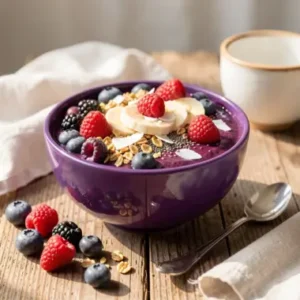
Berries are rich in anthocyanins, compounds associated with reduced inflammation and improved vascular health. Walnuts contain alpha-linolenic acid (ALA), a plant-based omega-3 fatty acid.
This salad is particularly supportive for heart health and circulation.
3. Turmeric Lentil Detox Salad
Why it works: Lentils provide fiber and protein, while turmeric adds a potent anti-inflammatory boost.
Ingredients:
- Arugula or mixed greens
- Cooked green or brown lentils
- Shredded carrots
- Cucumber
- Olive oil
- Lemon juice
- ½ teaspoon turmeric
- Pinch of black pepper
Benefits:
Turmeric contains curcumin, known for its anti-inflammatory effects. Black pepper enhances curcumin absorption. Lentils support stable energy levels and digestive balance.
This is a great option if you experience mid-afternoon fatigue linked to blood sugar dips.
4. Avocado Tomato Anti-Inflammatory Plate
Why it works: Healthy fats plus antioxidant-rich vegetables.
Ingredients:
- Romaine lettuce
- Sliced avocado
- Tomatoes
- Pumpkin seeds
- Fresh basil
- Olive oil + apple cider vinegar
Benefits:
Avocado offers monounsaturated fats that help reduce inflammatory markers. Pumpkin seeds add magnesium and zinc, important for immune function and tissue repair.
This salad is satisfying enough to serve as a light dinner.
5. Garlic Lemon Quinoa Power Salad
Why it works: Combines whole grains, fiber, and sulfur-rich garlic.
Ingredients:
- Cooked quinoa
- Baby kale
- Roasted bell peppers
- Chickpeas
- Minced garlic
- Olive oil
- Lemon zest + juice
Benefits:
Quinoa is a complete protein containing all essential amino acids. Garlic’s bioactive compounds support immune regulation. Bell peppers provide vitamin C, supporting collagen production and skin health.
Dressing Matters: Keep It Simple
Many store-bought dressings contain refined oils, added sugars, and preservatives that may counteract the benefits of your salad.
A simple anti-inflammatory dressing formula:
- 3 tablespoons extra virgin olive oil
- 1 tablespoon lemon juice or vinegar
- 1 small clove garlic (minced)
- Pinch of sea salt
- Optional: Dijon mustard or honey
Shake in a jar and store in the fridge for up to 3 days.
The Gut–Inflammation Connection
Chronic inflammation is closely tied to gut health. Fiber from vegetables and legumes feeds beneficial gut bacteria. In turn, these bacteria produce short-chain fatty acids, which help regulate inflammation.
Adding fermented foods like sauerkraut or plain yogurt to your salads can further support microbiome diversity.
Practical Tips for Busy Days
If you’re juggling work, family, and everything in between, consistency matters more than perfection. Here’s how to make anti-inflammatory salads realistic:
- Wash and prep vegetables once for 2-3 days.
- Cook a batch of lentils or quinoa ahead of time.
- Keep canned chickpeas and beans in your pantry.
- Store nuts and seeds in airtight jars for quick access.
- Make dressing in advance.
Even one anti-inflammatory salad per day can make a meaningful difference over time.
Beyond the Salad Bowl: Lifestyle Still Matters
While diet plays a powerful role, inflammation is influenced by more than food. Sleep quality, stress levels, movement, and hydration all contribute.
A balanced approach might include:
- Daily light movement or stretching
- Prioritizing 7-9 hours of sleep
- Reducing ultra-processed foods
- Managing stress through breathing exercises or time outdoors
When paired with a whole-food diet rich in vegetables and healthy fats, these habits create a synergistic effect.
Final Thoughts
Anti-inflammatory eating doesn’t require restrictive diets or complicated meal plans. In fact, the most effective approach is often the simplest one: fresh vegetables, healthy fats, whole grains, legumes, herbs, and spices.
A thoughtfully prepared salad can become more than just a side dish – it can be a daily strategy for supporting long-term wellness. By combining fiber, antioxidants, and anti-inflammatory fats, you give your body the tools it needs to regulate inflammation naturally.
Start with what you already have in your kitchen. Add color, add crunch, drizzle good olive oil, squeeze fresh lemon – and let your meals work for you, not against you.
Because sometimes, the path to better health begins with a bowl.