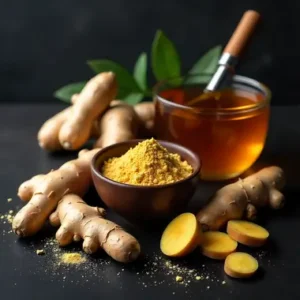
Introduction: When Nature Offers Gentle, Effective Relief
A sore throat can turn even the simplest daily tasks – talking, swallowing, sleeping – into uncomfortable challenges. Whether triggered by a cold, seasonal allergies, dry air, overuse of the voice, or mild infections, throat irritation is one of the most common and frustrating ailments. While over-the-counter lozenges and sprays may offer temporary relief, many people are now rediscovering natural remedies that soothe, protect, and support healing without harsh side effects.
Among the most trusted combinations across cultures is honey and ginger. Used for centuries in traditional medicine systems such as Ayurveda, Traditional Chinese Medicine, and folk remedies worldwide, this duo has endured not because of folklore alone – but because modern science increasingly supports its effectiveness.
This article explores how honey and ginger work individually and together, what research says about their benefits for sore throats, how to prepare and use them safely, and when this natural remedy is most effective.
Understanding Sore Throats: Why They Happen
A sore throat, medically known as pharyngitis, is typically caused by:
- Viral infections (common cold, flu)
- Bacterial infections (such as streptococcus)
- Dry air or dehydration
- Allergies and post-nasal drip
- Acid reflux
- Vocal strain or smoking
Most sore throats are inflammatory in nature, involving irritation of the throat’s delicate mucous membranes. Effective relief depends on reducing inflammation, protecting irritated tissue, combating microbes when present, and supporting the body’s natural healing process.
This is where honey and ginger excel.
Honey: Nature’s Protective Soother
Why Honey Has Been Used for Throat Relief for Centuries
Honey is more than a sweetener. Raw and minimally processed honey contains a complex blend of enzymes, antioxidants, organic acids, and antimicrobial compounds that make it uniquely effective for soothing irritated tissues.
Key Benefits of Honey for Sore Throats
1. Coats and Protects Irritated Tissue
Honey forms a thin, soothing layer over the throat lining, helping to:
- Reduce dryness
- Minimize irritation when swallowing
- Calm persistent coughing
This protective coating provides immediate comfort.
2. Natural Antimicrobial Properties
Honey inhibits the growth of bacteria and certain viruses through:
- Its low pH
- High sugar concentration
- Hydrogen peroxide production
This makes it particularly useful in mild infections.
3. Anti-Inflammatory Action
Honey helps reduce swelling and redness in inflamed throat tissue, easing discomfort and supporting healing.
4. Cough Suppression
Research has shown that honey can be as effective as some over-the-counter cough syrups, especially for nighttime coughs associated with throat irritation.
Ginger: Warming Relief with Powerful Anti-Inflammatory Effects
Why Ginger Is a Natural Throat Healer
Ginger (Zingiber officinale) contains bioactive compounds such as gingerol and shogaol, which are responsible for its warming sensation and medicinal properties.
Key Benefits of Ginger for Sore Throats
1. Reduces Inflammation
Ginger helps inhibit inflammatory pathways, easing pain and swelling in the throat.
2. Antibacterial and Antiviral Support
Studies show ginger can suppress certain bacteria and viruses that contribute to throat infections.
3. Improves Circulation
The warming effect of ginger increases blood flow to irritated tissues, helping deliver nutrients and immune cells needed for recovery.
4. Helps Break Down Mucus
Ginger acts as a natural expectorant, helping relieve throat congestion and post-nasal drip.
Why Honey + Ginger Work Better Together
When combined, honey and ginger create a synergistic remedy:
- Honey soothes and coats
- Ginger reduces inflammation and warms
- Honey tempers ginger’s intensity
- Ginger enhances circulation and absorption
Together, they provide both immediate relief and long-term support for throat healing.
The Science Behind This Natural Combination
Modern research supports several mechanisms behind this remedy:
- Reduced inflammatory markers (ginger)
- Suppressed microbial growth (honey and ginger)
- Improved mucosal protection (honey)
- Enhanced immune response
Clinical studies have consistently shown honey’s effectiveness for cough and throat irritation, while ginger’s anti-inflammatory properties are well documented.
How to Make Honey + Ginger Paste at Home
Ingredients
- 1 tablespoon raw, unprocessed honey
- ½ teaspoon freshly grated ginger (or ¼ teaspoon dried ginger powder)
Optional Add-Ins (Gentle Enhancers)
- A squeeze of lemon juice (vitamin C support)
- A pinch of turmeric (anti-inflammatory boost)
Preparation
- Mix honey and ginger until smooth
- Let sit for 5 minutes to allow infusion
- Store in a small glass container if making ahead
How to Use
- Take ½ to 1 teaspoon slowly
- Let it coat the throat before swallowing
- Use 2-3 times daily, especially before bed
Who Benefits Most from This Remedy
✔ Mild to moderate sore throats
✔ Cold or flu-related throat irritation
✔ Dry or scratchy throat from air conditioning
✔ Voice strain (singers, teachers, speakers)
✔ Post-nasal drip discomfort
⚠️ Note: This remedy is not a substitute for antibiotics in confirmed bacterial infections such as strep throat.
Safety & Precautions
- Do not give honey to children under 1 year old
- Use ginger in moderation to avoid stomach irritation
- Those with diabetes should monitor honey intake
- Stop use if irritation worsens
Always consult a healthcare provider if symptoms persist longer than 3-5 days or are severe.
When to Expect Relief
- Within minutes: Throat coating and soothing sensation
- Within 24 hours: Reduced irritation and coughing
- 2-3 days: Improved comfort and healing progression
Consistency matters more than quantity.
Supporting Throat Healing Naturally
For best results, combine this remedy with:
- Adequate hydration
- Warm teas or broths
- Humidified air
- Vocal rest
- Proper sleep
Natural remedies work best within supportive habits.
Common Mistakes to Avoid
- Using very hot liquids (can worsen irritation)
- Overusing ginger
- Skipping hydration
- Ignoring worsening symptoms
- Assuming natural means instant cure
Why This Remedy Still Matters Today
In an age of quick fixes, honey and ginger offer something more sustainable – comfort rooted in biology, not chemistry alone. They support the body rather than override it, making them ideal for early intervention and ongoing care.
Final Thoughts: Gentle Relief You Can Trust
Honey and ginger paste is a simple yet powerful reminder that effective healing doesn’t always require complexity. By soothing inflamed tissue, supporting immune response, and offering immediate comfort, this natural combination remains one of the most reliable remedies for sore throats.
When used thoughtfully and consistently, it provides warmth, relief, and reassurance – one spoonful at a time.