Introduction: Why Acne-Prone Skin Needs Gentle but Powerful Care
Acne-prone skin is often misunderstood and overtreated. In the search for quick fixes, many people turn to aggressive cleansers, drying spot treatments, or harsh acids that promise fast results – but frequently leave the skin barrier compromised, irritated, and inflamed. Over time, this approach can worsen breakouts, increase sensitivity, and lead to post-acne marks that linger long after pimples fade.
This is where Manuka honey stands apart. Unlike conventional acne treatments that focus solely on oil control or bacteria elimination, Manuka honey works on multiple levels: it calms inflammation, supports skin healing, balances the microbiome, and gently hydrates without clogging pores. Backed by both traditional use and modern research, Manuka honey face masks have gained attention as a natural yet clinically relevant option for acne-prone skin.
In this article, we’ll explore what makes Manuka honey unique, how it supports acne-prone skin, what science says about its effectiveness, and how to use it safely and effectively as part of a consistent skincare routine.
Understanding Acne-Prone Skin: More Than Just Breakouts
Acne isn’t simply caused by “dirty skin” or too much oil. It’s a complex condition influenced by several factors working together:
- Excess sebum production
- Clogged pores from dead skin cells
- Overgrowth of acne-causing bacteria (Cutibacterium acnes)
- Chronic inflammation
- A weakened or disrupted skin barrier
For acne-prone skin to improve, treatments must address inflammation and barrier health, not just surface oil. This is where Manuka honey excels.
What Is Manuka Honey – and Why Is It Different?
Manuka honey is produced by bees that pollinate the Manuka tree (Leptospermum scoparium), native to New Zealand. While all raw honey has some beneficial properties, Manuka honey is unique due to its high concentration of methylglyoxal (MGO) – a compound responsible for its exceptional antibacterial activity.
Key Compounds in Manuka Honey
- Methylglyoxal (MGO) – Potent antibacterial action
- Hydrogen peroxide (low-level) – Supports wound healing
- Flavonoids & phenolic acids – Antioxidant and anti-inflammatory effects
- Natural sugars & enzymes – Gentle hydration and barrier support
Medical-grade Manuka honey has even been used in clinical settings for wound care and skin repair, highlighting its relevance beyond folk remedies.
How Manuka Honey Supports Acne-Prone Skin
1. Antibacterial Without Disruption
Unlike harsh antiseptics that strip the skin, Manuka honey selectively inhibits acne-causing bacteria while supporting beneficial microbes. This helps restore balance to the skin microbiome, a critical factor in acne management.
2. Powerful Anti-Inflammatory Action
Inflammation is at the core of painful cysts and persistent redness. Research shows that Manuka honey can reduce inflammatory markers in the skin, helping calm swelling, tenderness, and redness associated with breakouts.
3. Non-Comedogenic Hydration
Dehydrated skin often produces more oil to compensate, worsening acne. Manuka honey acts as a humectant, drawing moisture into the skin without clogging pores or leaving a greasy residue.
4. Supports Faster Healing
Post-acne marks and slow-healing blemishes are common in acne-prone skin. Manuka honey promotes tissue repair, helping lesions heal more cleanly and reducing the risk of scarring.
Scientific Evidence: What Research Says
Multiple laboratory and clinical studies have highlighted Manuka honey’s relevance for skin health:
- Research shows Manuka honey exhibits strong activity against Cutibacterium acnes and Staphylococcus aureus.
- Studies on wound healing demonstrate its ability to stimulate tissue regeneration and reduce infection risk.
- Dermatological research supports its anti-inflammatory and antioxidant effects, which are crucial for acne-prone skin.
While honey is not a replacement for prescription acne treatments in severe cases, evidence supports its role as an effective complementary and preventive skincare option.
Why a Manuka Honey Face Mask Works So Well
A face mask allows prolonged contact between Manuka honey and the skin, maximizing absorption and benefits.
Benefits of Mask Application
- Deep calming of inflamed skin
- Gentle pore cleansing
- Improved skin texture
- Reduced redness and irritation
- Balanced hydration
Unlike clay or acid-based masks, Manuka honey masks are suitable even for sensitive, reactive, or compromised skin barriers.
How to Choose the Right Manuka Honey
Not all Manuka honey is created equal.
What to Look For
- UMF rating (10+ or higher) or MGO rating (250+ recommended for skincare)
- Raw, unpasteurized honey
- Certified authentic Manuka honey
Higher ratings provide stronger antibacterial and therapeutic effects, especially useful for acne-prone skin.
DIY Manuka Honey Face Mask Recipes
1. Basic Manuka Honey Mask (For Active Breakouts)
Ingredients:
- 1 tablespoon Manuka honey
How to Use:
- Apply a thin, even layer to clean skin
- Leave on for 15-20 minutes
- Rinse with lukewarm water
This simple mask is ideal for calming inflamed acne.
2. Manuka Honey & Aloe Mask (For Redness & Sensitivity)
Ingredients:
- 1 tablespoon Manuka honey
- 1 teaspoon pure aloe vera gel
Benefits:
Soothes irritation, reduces redness, and hydrates without heaviness.
3. Manuka Honey & Green Tea Mask (For Oily, Acne-Prone Skin)
Ingredients:
- 1 tablespoon Manuka honey
- 1 teaspoon cooled green tea (or matcha powder)
Benefits:
Adds antioxidant protection and helps regulate oil production.
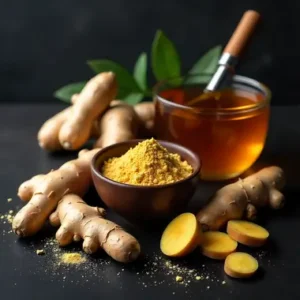
4. Manuka Honey & Turmeric Mask (For Post-Acne Marks)
Ingredients:
- 1 tablespoon Manuka honey
- A pinch of turmeric powder
Benefits:
Supports skin brightening and reduces discoloration.
⚠️ Use turmeric sparingly to avoid staining.
How Often Should You Use a Manuka Honey Mask?
- Active acne: 2-3 times per week
- Maintenance: 1-2 times per week
- Sensitive skin: Once weekly
Consistency matters more than frequency.
What Results Can You Expect?
Short-Term (1-2 Weeks)
- Calmer skin
- Reduced redness
- Less painful breakouts
Mid-Term (4-6 Weeks)
- Fewer inflamed pimples
- Improved skin texture
- Faster healing of blemishes
Long-Term
- More balanced oil production
- Stronger skin barrier
- Reduced recurrence of breakouts
Common Mistakes to Avoid
❌ Using regular processed honey instead of Manuka
❌ Applying to unclean skin
❌ Leaving mask on too long
❌ Over-exfoliating alongside the mask
❌ Expecting instant acne clearance
Natural remedies support the skin – they don’t override biology overnight.
Who Should Be Cautious?
Manuka honey is generally safe, but:
- Perform a patch test first
- Avoid if you have a known bee product allergy
- Use sparingly on open, oozing cysts
Supporting Acne-Prone Skin Beyond Masks
For best results, combine topical care with lifestyle support:
- Balanced diet with low glycemic load
- Adequate hydration
- Stress management
- Gentle cleansing routines
- Avoiding overuse of stripping products
Conclusion: A Gentle Powerhouse for Acne-Prone Skin
Manuka honey face masks offer a rare combination of gentle care and proven effectiveness. By addressing inflammation, bacteria, hydration, and healing simultaneously, Manuka honey supports acne-prone skin in a way that aligns with both traditional wisdom and modern dermatological science.While it’s not a miracle cure, consistent use can lead to calmer breakouts, healthier skin balance, and improved confidence – all without compromising your skin barrier. In a world of aggressive acne solutions, Manuka honey reminds us that sometimes the most powerful skincare comes straight from nature.