The thyroid is a small, butterfly-shaped gland located at the base of the neck, yet it plays an outsized role in overall health. Responsible for producing hormones that regulate metabolism, energy production, body temperature, heart rate, and even mood, the thyroid influences nearly every system in the body. When it functions optimally, many processes in the body run smoothly. However, when the thyroid becomes underactive or overactive, symptoms such as fatigue, weight changes, mood shifts, and hormonal imbalance can arise.
While medical treatment is essential for diagnosed thyroid disorders, growing research suggests that certain herbs may offer supportive benefits when incorporated into a balanced lifestyle. These herbs have traditionally been used in herbal medicine systems such as Ayurveda, Traditional Chinese Medicine, and Western herbalism to support endocrine balance, reduce inflammation, and provide nutrients that the thyroid needs to function properly.
In this guide, we’ll explore several herbs that are commonly associated with thyroid support, the science behind them, and how they may be incorporated safely into everyday wellness routines.
Understanding the Thyroid and Why Support Matters
Before diving into herbal remedies, it’s important to understand how the thyroid works.
The thyroid produces two primary hormones: thyroxine (T4) and triiodothyronine (T3). These hormones regulate metabolism, helping the body convert nutrients into energy. Their production is controlled by signals from the brain – specifically the hypothalamus and pituitary gland – in a feedback loop known as the hypothalamic–pituitary–thyroid (HPT) axis.
When this delicate system becomes imbalanced, thyroid disorders can develop. The two most common conditions include:
Hypothyroidism: An underactive thyroid that produces insufficient hormones, often causing fatigue, weight gain, hair thinning, dry skin, and sensitivity to cold.
Hyperthyroidism: An overactive thyroid that produces excess hormones, which may lead to anxiety, weight loss, rapid heartbeat, and heat intolerance.
Factors such as chronic stress, autoimmune disease, nutrient deficiencies (especially iodine, selenium, and zinc), inflammation, and environmental toxins can all affect thyroid health.
This is where supportive herbs may play a role.
1. Ashwagandha: A Powerful Adaptogen for Thyroid Balance
Ashwagandha (Withania somnifera) is one of the most studied herbs in Ayurvedic medicine. Known as an adaptogen, it helps the body adapt to stress and supports hormonal balance.
Stress can negatively impact thyroid function because elevated cortisol levels disrupt communication within the HPT axis. Ashwagandha helps regulate the body’s stress response, which may indirectly benefit thyroid hormone production.
Some research suggests that ashwagandha may help improve thyroid function in people with subclinical hypothyroidism by supporting healthy T4 levels. Its antioxidant compounds also help reduce oxidative stress, which can damage thyroid tissue.
How to use it:
- Ashwagandha powder in warm milk or herbal tea
- Capsules or tinctures
- Added to smoothies for a calming evening drink
Regular use may support energy levels, sleep quality, and overall hormonal balance.
2. Bladderwrack: A Natural Source of Iodine
Bladderwrack (Fucus vesiculosus) is a type of brown seaweed traditionally used to support thyroid health because it naturally contains iodine, a mineral required for thyroid hormone production.
Iodine deficiency is one of the most common causes of hypothyroidism worldwide. The thyroid uses iodine to produce T3 and T4 hormones, making adequate intake essential.
Bladderwrack also contains antioxidants and compounds that may help reduce inflammation in thyroid tissue.
However, iodine balance is delicate. Excessive iodine intake can sometimes worsen thyroid conditions, especially autoimmune thyroid diseases such as Hashimoto’s thyroiditis or Graves’ disease.
How to use it:
- Powdered seaweed in soups or broths
- Capsules or tinctures under professional guidance
Because iodine needs vary widely, bladderwrack is best used carefully and ideally with guidance from a healthcare professional.
3. Lemon Balm: A Calming Herb for Overactive Thyroid Symptoms
Lemon balm (Melissa officinalis) is a gentle herb in the mint family known for its calming properties. It has traditionally been used to support nervous system balance and may be particularly helpful for people experiencing symptoms associated with an overactive thyroid.
Compounds in lemon balm may interact with thyroid-stimulating hormone receptors, potentially helping regulate excessive stimulation of the thyroid.
Its soothing effects on the nervous system also make it beneficial for symptoms such as anxiety, restlessness, or sleep disturbances.
How to use it:
- Lemon balm tea before bedtime
- Fresh leaves in herbal infusions
- Extracts or tinctures
Beyond thyroid support, lemon balm also aids digestion and promotes relaxation.
4. Guggul: An Ayurvedic Herb That Supports Metabolism
Guggul (Commiphora mukul) is a resin derived from the mukul myrrh tree and has been used in Ayurvedic medicine for centuries. It is often associated with supporting metabolism and healthy thyroid activity.
Research suggests that compounds in guggul, called guggulsterones, may stimulate thyroid function and enhance the conversion of T4 to the more active T3 hormone.
This effect may help support metabolic rate and energy production, which are often reduced in hypothyroidism.
Guggul also has anti-inflammatory and lipid-lowering properties, making it beneficial for overall metabolic health.
How to use it:
- Capsules or herbal formulations
- Traditional Ayurvedic preparations
Because of its potency, it should be used carefully and ideally with guidance from a qualified practitioner.
5. Schisandra: Supporting the Endocrine System
Schisandra (Schisandra chinensis) is a berry used in Traditional Chinese Medicine and is valued for its adaptogenic properties. Like ashwagandha, it helps the body handle stress more effectively.
Since chronic stress can disrupt hormonal balance and impair thyroid signaling, adaptogens like schisandra may provide indirect support.
Schisandra is rich in antioxidants that help protect cells from oxidative damage and support liver function – an important factor because the liver helps convert T4 into the active T3 hormone.
How to use it:
- Dried berries in herbal teas
- Powder added to smoothies
- Tinctures for concentrated use
It also supports mental clarity, endurance, and immune resilience.
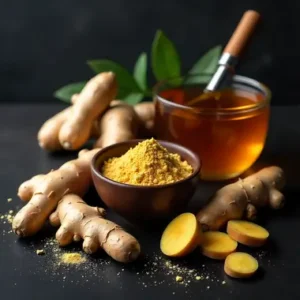
6. Turmeric: Anti-Inflammatory Support for Thyroid Health
Turmeric (Curcuma longa) is widely known for its powerful anti-inflammatory compound, curcumin. Chronic inflammation is often involved in autoimmune thyroid conditions such as Hashimoto’s thyroiditis.
Curcumin helps reduce inflammatory pathways and oxidative stress, which may protect thyroid tissue and support overall endocrine health.
Additionally, turmeric supports liver function and digestion – both important factors for hormonal metabolism.
How to use it:
- Golden milk (turmeric, milk, ginger, black pepper)
- Turmeric tea
- Added to soups, stews, and smoothies
Pairing turmeric with black pepper enhances curcumin absorption.
Nutrients That Work Alongside Herbal Support
While herbs can provide valuable support, thyroid health also relies heavily on key nutrients:
Selenium: Helps convert T4 into active T3 hormones. Found in Brazil nuts, eggs, and seafood.
Zinc: Supports hormone production and immune balance.
Iron: Essential for thyroid hormone synthesis.
Vitamin D: Plays a role in immune regulation and thyroid function.
Combining nutrient-rich foods with herbal support can help create a comprehensive approach to thyroid wellness.
Lifestyle Habits That Strengthen Thyroid Function
Herbs are most effective when combined with supportive lifestyle habits.
Prioritize sleep: The endocrine system relies on proper rest to regulate hormones.
Manage stress: Practices such as yoga, meditation, and deep breathing support the HPT axis.
Eat balanced meals: Include protein, healthy fats, and complex carbohydrates.
Limit processed foods and excess sugar: These can worsen inflammation and metabolic imbalance.
Stay physically active: Moderate exercise supports metabolism and circulation.
These habits help create an environment where the thyroid can function optimally.
Safety Considerations
While herbal remedies can be beneficial, they should not replace medical treatment for thyroid disorders.
If you have a diagnosed thyroid condition, are pregnant, or are taking thyroid medication, it is essential to consult a healthcare professional before using herbal supplements. Some herbs may interact with medications or affect hormone levels.
Additionally, herbs often work gradually. Consistency and patience are key when incorporating them into wellness routines.
Final Thoughts
The thyroid may be small, but its influence on the body is profound. Supporting its function naturally requires a holistic approach that includes balanced nutrition, stress management, healthy lifestyle habits, and – in some cases – herbal allies.
Herbs such as ashwagandha, bladderwrack, lemon balm, guggul, schisandra, and turmeric offer unique properties that may support thyroid balance, reduce inflammation, and promote overall endocrine health.
When used thoughtfully and alongside medical guidance when necessary, these herbs can become part of a nurturing wellness routine that helps restore energy, support metabolism, and promote long-term vitality.
Taking care of your thyroid isn’t about quick fixes – it’s about cultivating daily habits that allow the body’s natural balance to thrive.