Turmeric has been a cornerstone of traditional medicine for thousands of years, celebrated in Ayurvedic and Chinese healing systems as a natural anti-inflammatory and antioxidant. Today, modern science is catching up with tradition, confirming that this golden-yellow spice is much more than just a flavorful addition to curries – it’s a nutritional powerhouse with wide-reaching benefits.
What Makes Turmeric Special?
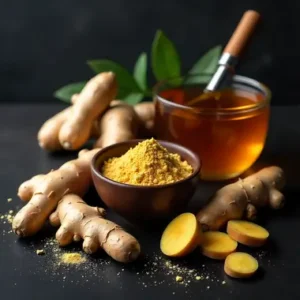
Turmeric (Curcuma longa) is a root in the ginger family, recognizable by its deep golden-orange hue. Its active compound, curcumin, is responsible for most of its health-promoting properties. Curcumin is a potent antioxidant and anti-inflammatory molecule, but it’s naturally present in relatively small amounts in turmeric (about 2-5% of the root by weight). That’s why turmeric supplements often use concentrated extracts to maximize curcumin content.
Key Health Benefits of Turmeric
1. A Powerful Anti-Inflammatory Agent
Chronic inflammation plays a role in many modern health conditions, including heart disease, arthritis, and even some cancers. Curcumin helps block inflammatory pathways in the body, making turmeric one of the most effective natural anti-inflammatories.
Practical impact: People with arthritis often report reduced joint pain and improved mobility when adding turmeric to their diet or taking curcumin supplements.
2. Rich in Antioxidants to Combat Cellular Damage
Free radicals – unstable molecules that damage cells – are a major factor in aging and disease. Turmeric’s antioxidants neutralize these free radicals while also boosting the body’s own antioxidant defenses. This double action helps protect cells, tissues, and organs from long-term damage.
3. Supports Heart Health
Curcumin can improve the function of the endothelium (the lining of blood vessels), which helps regulate blood pressure and blood clotting. Additionally, turmeric’s anti-inflammatory properties may help reduce the buildup of arterial plaque, lowering the risk of cardiovascular disease.
4. Promotes Healthy Brain Function
Curcumin has been linked to increased levels of BDNF (brain-derived neurotrophic factor), a protein that supports the growth and repair of brain cells. Low levels of BDNF have been associated with cognitive decline and neurodegenerative diseases. Some research suggests turmeric may improve memory and protect against age-related brain disorders, although more human studies are needed.
5. May Help Prevent and Manage Arthritis
Beyond reducing inflammation, turmeric may help slow the progression of arthritis by protecting joints from further damage. Several clinical trials have shown curcumin supplements to be as effective as some over-the-counter anti-inflammatory drugs – without the side effects.
6. Supports Digestive Health
Turmeric has been traditionally used to ease digestive complaints such as bloating, gas, and indigestion. Its anti-inflammatory effects can help soothe the gut lining and may benefit people with conditions like irritable bowel syndrome (IBS).
7. Potential Anti-Cancer Properties
Preliminary research indicates that curcumin may influence the growth and spread of certain cancer cells. While turmeric is not a cure for cancer, its antioxidant and anti-inflammatory effects may support prevention or enhance treatment when used alongside conventional therapies.
How to Use Turmeric Effectively
- In cooking: Add fresh turmeric root or ground turmeric to curries, soups, stir-fries, rice dishes, or smoothies.
- As a tea: Brew fresh turmeric slices or powdered turmeric with ginger and honey for a soothing drink.
- With black pepper: Piperine, a compound in black pepper, enhances curcumin absorption by up to 2000%. Always combine turmeric with pepper when possible.
- As a supplement: Curcumin capsules or tablets provide higher doses for targeted therapeutic benefits. Look for formulas containing piperine or phospholipid complexes for better absorption.
Safety and Precautions
Turmeric is generally safe when used in food amounts, but high-dose supplements may cause digestive upset in some individuals.
- Who should take caution?
- People on blood-thinning medication (turmeric can enhance these effects).
- Those with gallstones or bile duct obstructions.
- Anyone scheduled for surgery (turmeric may affect clotting).
- People on blood-thinning medication (turmeric can enhance these effects).
Always consult your doctor before starting a high-dose turmeric supplement, especially if you have chronic health conditions.
The Takeaway
Turmeric has rightfully earned its title as the “golden spice” of health. Its active compound, curcumin, provides powerful anti-inflammatory, antioxidant, and protective effects for nearly every system in the body. From supporting joint health to enhancing brain function and cardiovascular wellness, turmeric is a simple yet potent addition to a healthy lifestyle.
Whether you stir it into your morning latte, sprinkle it on roasted vegetables, or take it in capsule form, turmeric offers an easy way to boost your daily well-being – with benefits backed by both tradition and science.