Ingrown nails are one of those deceptively small problems that can become incredibly painful. What starts as a tiny corner of the nail pressing into the skin can quickly escalate into swelling, redness, sharp pain, and even infection. Whether it’s caused by tight shoes, improper trimming, genetics, or repeated pressure, an ingrown nail can turn everyday tasks – walking, standing, working out – into a frustrating experience.
Thankfully, nature has given us one of the simplest, gentlest, and most effective remedies for soothing and healing ingrown nails: the warm Epsom salt soak.
This classic treatment has been trusted for generations, and modern science now supports what people have known for decades – Epsom salt (magnesium sulfate) can reduce inflammation, soften skin, relieve pain, and help the ingrown nail gradually release itself.
If you’re looking for a safe, natural, and inexpensive way to calm discomfort and promote healing, this time-tested soak may be exactly what you need.
In this complete guide, you’ll learn why warm Epsom salt baths work, how to use them properly, how often to soak, the science behind magnesium sulfate, and how to prevent future ingrown nails from happening in the first place.
🌿 Understanding Ingrown Nails: Why They Hurt So Much
An ingrown nail happens when the corner or side of a nail – most commonly the big toenail – grows into the surrounding skin instead of straight upward and outward. This creates pressure against the skin barrier, leading to:
- Pain and tenderness
- Swelling
- Redness
- Warmth
- Fluid buildup
- In severe cases, pus and infection
The skin perceives the nail edge as a foreign object, which triggers inflammation. And because toenails grow slowly, the irritation doesn’t go away quickly without intervention.
While severe or infected ingrown nails require medical care, mild to moderate cases often respond extremely well to warm salt water soaks, especially when used early and consistently.
🌊 The Healing Power of Epsom Salt: Why It Works So Well
Epsom salt isn’t actually salt – it’s magnesium sulfate, a naturally occurring mineral compound with remarkable therapeutic properties. When dissolved in warm water, it creates a soothing, healing bath that benefits the skin, nails, and underlying tissues.
✔️ 1. Reduces Inflammation and Swelling
Magnesium sulfate has anti-inflammatory properties that help calm the irritated area. This reduces pressure around the nail and allows the skin to relax, making it easier for the nail to grow out properly.
✔️ 2. Softens the Skin Around the Nail
Warm water softens the surrounding skin, and Epsom salt enhances this effect. Softer skin means:
- Less pain
- Easier release of the trapped nail edge
- Lower risk of tearing or infection
This softening effect alone can bring immediate relief.
✔️ 3. Draws Out Fluid and Infection
Magnesium sulfate has natural osmotic properties. This means it draws excess fluid away from swollen tissue, helping reduce puffiness and pressure around the nail.
If the area is infected or inflamed, Epsom salt soaks can help draw out pus and assist the body in clearing infection faster.
✔️ 4. Decreases Pain Quickly
The combination of warm water + magnesium relaxes nerve endings, eases tension, and improves circulation. Many people feel noticeable pain relief within the first 10-15 minutes.
✔️ 5. Gently Cleans and Disinfects
While not a strong disinfectant, Epsom salt:
- Helps cleanse the area
- Reduces bacteria buildup
- Keeps the ingrown nail from worsening
It’s a gentle but effective addition to a hygiene routine while healing.
⚗️ The Science Behind Magnesium Sulfate
Research on topical magnesium sulfate shows that it has several therapeutic effects linked to its mineral composition:
🌟 Anti-inflammatory properties
Studies show magnesium helps regulate inflammatory responses in the body. Applied topically, magnesium sulfate reduces swelling and helps tissues relax.
🌟 Improves circulation
Heat from the water dilates blood vessels, allowing magnesium sulfate to work more efficiently while boosting blood flow – important for healing.
🌟 Skin-softening abilities
Magnesium sulfate breaks down keratin bonds in the outer skin layer, which helps soften tough, inflamed, or thickened skin around the nail.
These combined actions make Epsom salt an ideal treatment for minor ingrown nails.
🌊 How to Do an Epsom Salt Soak for Ingrown Nails
This easy routine takes just 15-20 minutes and can be repeated daily until the nail improves.
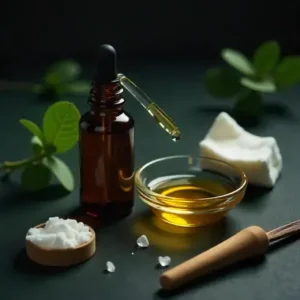
✔️ You’ll Need:
- A basin, bowl, or foot spa
- Warm water (not hot)
- 1-2 tablespoons of Epsom salt per liter of water
- A clean towel
- Optional: tea tree oil or lavender oil (for added antibacterial benefits)
✔️ Instructions:
- Fill the basin with enough warm water to fully cover your foot or hand.
- Add the Epsom salt and mix until completely dissolved.
- Soak the affected area for 15-20 minutes.
- When finished, gently pat dry with a clean towel.
- If the skin around the nail has softened enough, you can carefully lift the nail corner with a cotton swab (but only if it is not painful).
- Apply a soothing lotion, antibacterial cream, or a drop of coconut oil to protect the skin.
🕒 How often should you soak?
For mild cases:
1-2 times daily until pain subsides.
For moderate cases:
2-3 times daily for several days.
Consistency is what makes Epsom salt soaks effective.
🌼 What to Expect: A Healing Timeline
Everyone’s healing process is different, but here’s a general idea of what you may experience.
After 1 soak:
- Reduced tenderness
- Slightly softer skin
- Calmer inflammation
After 2-3 days:
- Notable pain reduction
- Less redness and swelling
- Nail begins to lift away from the skin
After 1 week:
- Dramatic improvement
- Nail grows more freely
- Risk of infection decreases
As long as the ingrown nail isn’t severely infected or deeply embedded, warm Epsom salt soaks are usually enough to restore comfort and help the nail grow properly again.
🔐 How to Prevent Ingrown Nails from Coming Back
Once you’ve healed the nail, prevention is key. Here’s how to keep future ingrown nails at bay:
✔️ 1. Trim Nails Straight Across
Avoid rounding the corners; this encourages the nail to grow into the skin.
✔️ 2. Avoid Cutting Nails Too Short
Short nails tend to curl downward into the skin.
✔️ 3. Wear Proper-Fitting Shoes
Shoes that are pointed, narrow, or too tight compress the toes and increase ingrown nail risk.
✔️ 4. Keep Feet Dry and Clean
Moisture softens skin too much, making it vulnerable to ingrown edges.
✔️ 5. Don’t Pick or Peel Nails
This can damage the nail bed and promote improper growth.
✔️ 6. File Sharp Edges (Instead of Cutting Them Deep)
This helps maintain shape without pushing the nail downward.
⚠️ When to See a Doctor
Warm salt soaks are excellent for mild and moderate ingrown nails – but there are times when professional care is necessary. Seek medical attention if you experience:
- Severe pain
- Pus or spreading redness
- Fever
- Signs of serious infection
- Diabetes (foot issues should always be monitored by a doctor)
- A nail that keeps growing inward despite home treatments
If caught early, many issues can be solved at home. But never hesitate to get help if symptoms worsen.
🌱 Pairing Epsom Salt Soaks With Other Natural Remedies
If you want to enhance the benefits, consider adding these gentle companions:
⭐ Tea Tree Oil
A natural antibacterial that helps prevent infection.
⭐ Coconut Oil
Softens skin and maintains the barrier after soaking.
⭐ Aloe Vera Gel
Soothes irritation and speeds up healing.
⭐ Apple Cider Vinegar (diluted)
Helps balance skin’s pH and reduces bacteria.
These are optional but can boost results when used carefully.
🌊 Final Thoughts: Simple, Natural, and Highly Effective
Ingrown nails can disrupt your daily life, but the solution doesn’t always have to be complicated. The warm Epsom salt soak is one of the most powerful, gentle, and accessible remedies available.
This soak:
- Softens the skin
- Relieves pain
- Reduces inflammation
- Improves circulation
- Supports healing
- Helps the nail grow out more easily
It’s safe, budget-friendly, and rooted both in tradition and science. Whether you’re dealing with mild discomfort or trying to calm an early-stage ingrown nail, this soothing ritual is a reliable first line of defense.
With consistent care and the right prevention habits, you can keep your nails healthy, comfortable, and ingrown-free for good.